Journal
Notes from an editor that refuses to lie.
Short essays on story logic, causality, worldbuilding, ruthless editing, and the strange relief of seeing contradictions before readers do.
Latest Notes
Readable ideas before they become product doctrine.

Writing in a World That Echoes
Once a world has causality, words no longer merely land on the page. They begin to echo.

The Compound Interest of Worldbuilding
Good worldbuilding lets the earlier story increase the value of what comes later.

Character Choices Must Cost Something
If a choice does not change the world, it is only dialogue.

Why Some Characters Feel Like Tools
If a character always cooperates with the plot, they stop feeling alive.

Why Plot Twists Fall Apart
A plot twist does not erase what came before. It makes what came before true in a different way.
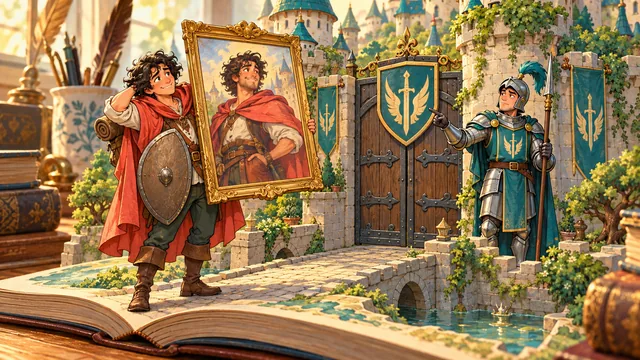
Characters Are How The World Recognizes Them
A character is not a profile sheet. A character is a set of identities, limits, and possibilities the world agrees to treat as real.

Why Big Worlds Eventually Collapse
A big world does not become dangerous because the list gets longer. It becomes dangerous when the matrix starts multiplying.

Creative Freedom Is an Illusion: How Story Causality Narrows Every Ending
Writers think they are choosing the ending. Often, they are only writing their way toward the ending the earlier story has already called into being.

Readers Remember What You Made Them Trust
Readers do not remember every detail. They remember what your story made them believe.
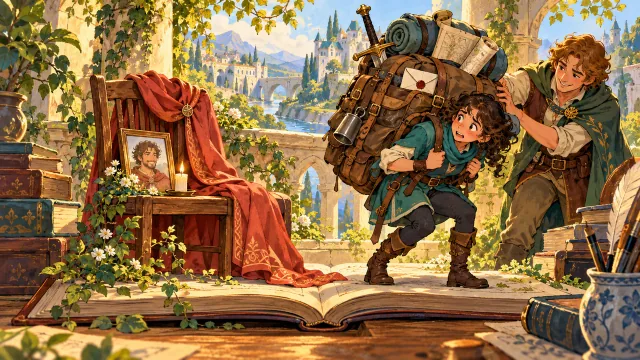
When a Character Dies, the Debt Moves
Death is not disappearance. It is the world changing the way a character exists.

Foreshadowing Is a Debt
Foreshadowing is not a clever trick hidden in the story. It is meaning borrowed from the future.

A Writer's Worst Enemy Is Their Own Memory
Memory patches holes in a story. But a patch is not proof. It only makes an error feel plausible.